The army, guardian of the Constitution.
The army is the left arm of the State. It defends the territory, under strict civilian authority, and never governs.
An army diverted from its mission.
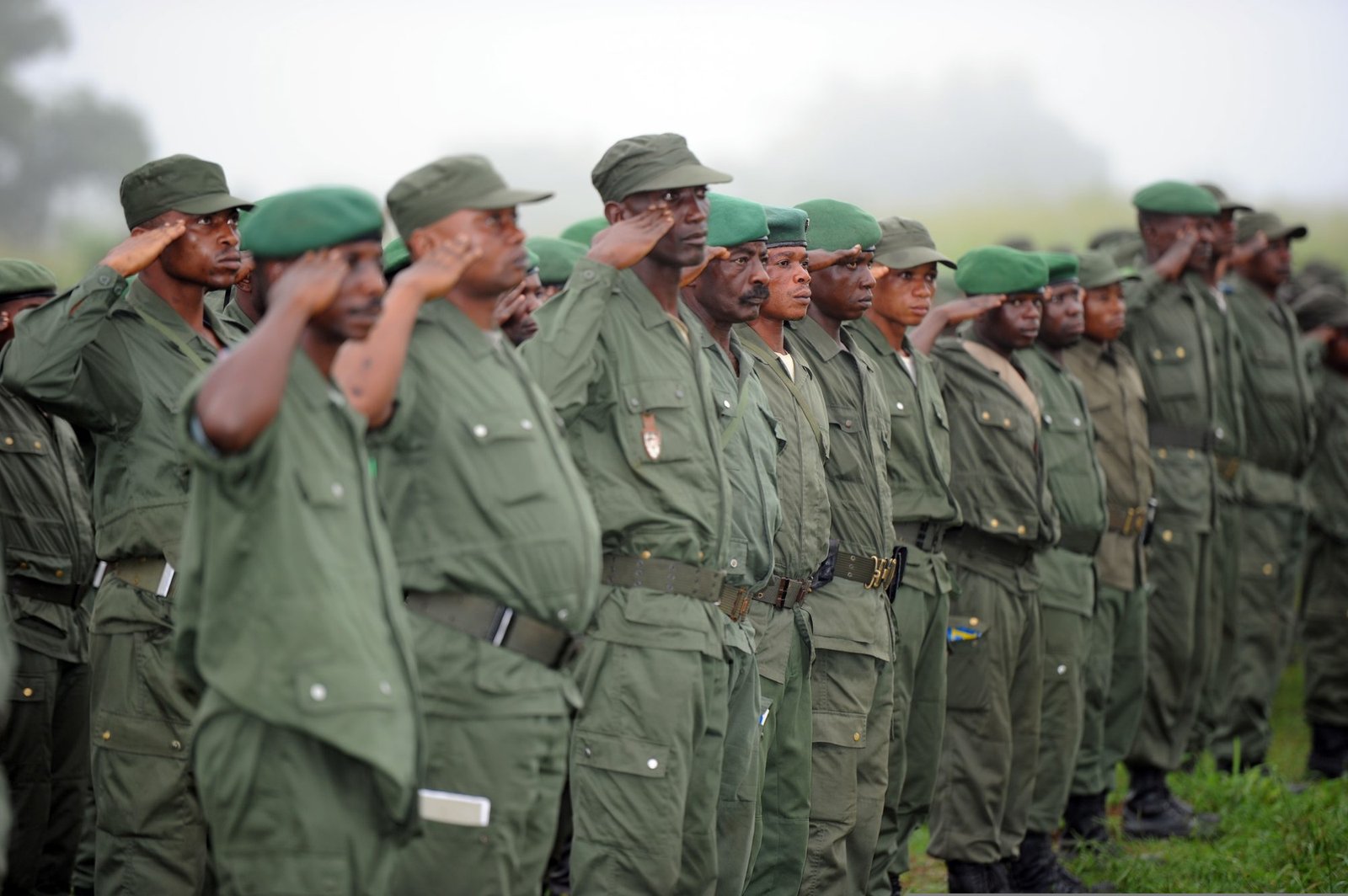
The army is much more than a defence force. It is the backbone of a sovereign State, the guarantor of its integrity and the reflection of its strength.
Since independence, the Congolese army has often been diverted from its primary mission and turned into a tool of power by successive regimes. Instead of protecting the nation, it has served political and personal interests. This misuse has eroded discipline, fuelled corruption and weakened its legitimacy in the eyes of citizens.
The consequences have been disastrous: armed groups thriving in the security vacuum, wealth plundered under the eyes of a State unable to defend its own territory, military sovereignty sold off.
The DRC can no longer settle for patching up its army. It is time for an in-depth overhaul.
Three functions, and only three.
The army is not a parallel power. It is a constitutional instrument placed under strict civilian authority. Its legitimacy comes neither from its strength nor from its commanders. It comes from its submission to the institutional order.
The first function is defending territorial integrity. Congo shares more than ten thousand kilometres of borders with nine countries. A State that does not control its territory is not sovereign.
The second is protecting the constitutional order, within a strictly civilian framework. The army never acts on its own initiative. It does not define crises, judge those who govern or referee political life. Those judgements belong to civilian institutions.
The third is protecting borders, critical infrastructure and essential resources against armed forms of predation. The army supports. It does not take over, and it never settles into economic roles.
A strong left arm does not replace the head. It allows the head to lead.
Four safeguards.
So that a strong army never becomes an army that threatens those it must protect.
Serve the nation, never one man
Serving military personnel cannot be party members, hold political office or take part in an election campaign. An officer who wants to enter politics must first leave the army.
Guard without governing
The army never acts on its own initiative. It carries out a civilian decision that requires three simultaneous conditions: the Constitutional Court rules that a violation has occurred, Parliament formally finds that it can no longer function normally, and the Supreme Military Oversight Council confirms. If any one is missing, no deployment is allowed.
An independent oversight council
The Supreme Military Oversight Council, an independent authority separate from the Supreme Defence Council that advises the president, brings together one third senior officers chosen by their peers, one third lawyers chosen by the Constitutional Court and one third civil society representatives chosen by Parliament. Its deliberations are public and reasoned. It monitors and refers matters to civilian institutions. It does not command.
Merit as the only compass
Entry by competitive examination, public and audited promotions, rotation of commands. Units are mixed and an officer never commands in his home region.
A professional army, chosen on merit.
Every soldier and every officer must be selected on the basis of merit and competence, no longer by political or ethnic allegiance.
Appointments will follow rigorous assessments: technical tests, crisis management simulations, written exams. Promotion decisions will be made public, under the supervision of independent commissions.
Training will be continuous: human rights, conflict management, military ethics, cybersecurity and new defence technologies. High-level military academies will train leaders able to command with professionalism and integrity.
The goal: train at least 30,000 soldiers every year and professionalise 80% of the forces by 2030.
Mines, forests and strategic infrastructure must be protected by an army that is no longer a spectator of plunder, but an actor of the country's economic sovereignty.
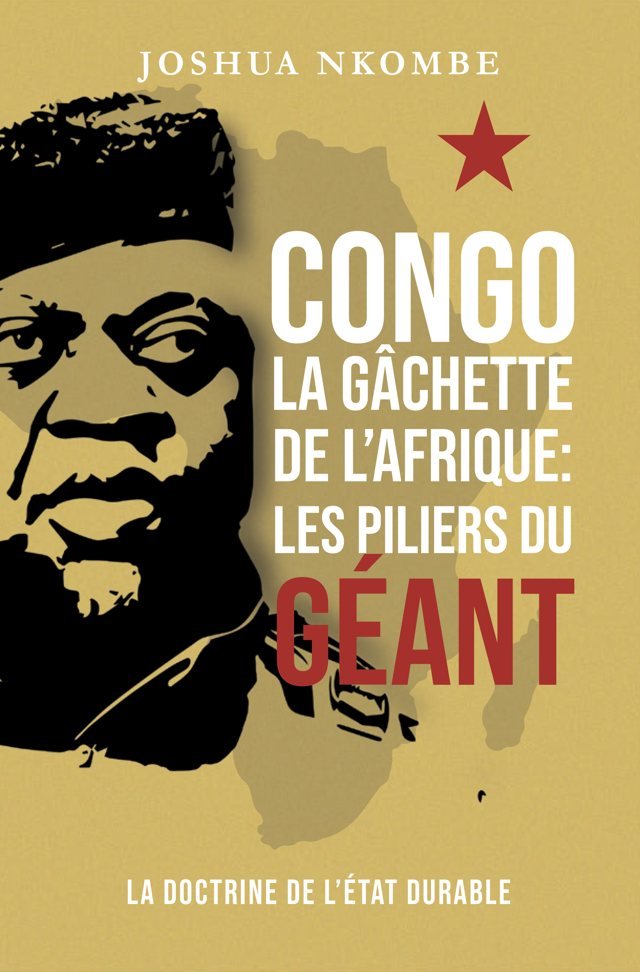
The monopoly on force belongs neither to one man, nor to a clan, nor to a faction. It belongs to the nation.Joshua Nkombe, The Pillars of the Giant
The safeguards of this doctrine.
Civilian supremacy
Elected authorities govern. The army carries out the missions entrusted to it under the Constitution. Any seizure of power by force is a constitutional crime.
Political neutrality
No party, regime or leader may use the army for its own ends. It cannot be deployed to keep a government in power against a lawful political opposition.
Public oversight
Parliament and the Supreme Military Oversight Council, which includes civil society, oversee its actions and publish their findings.
Outside the economy
No commercial activity, no income from the resources it protects. Its budget is public and tracked in real time.
An army that protects rather than divides.
The full doctrine is set out in The Master Plan (volume 1, chapters 25 and 26) and The Pillars of the Giant (volume 4, chapter 10).